How Long Do Terracotta Roof Tiles Last in Western Australia?
If you own a home in Gosnells or anywhere across the Perth metropolitan area, there is a good chance your roof is made of terracotta tiles. They have been a favourite in Western Australia for decades thanks to their classic look, thermal performance and impressive durability. But just how long can you expect them to last? The short answer is that terracotta tiles commonly last 50 to 100 years, and in some cases even longer, provided the roof is properly installed and maintained.
The Typical Lifespan of Terracotta Roof Tiles
Terracotta is fired clay, and once it has been kiln-fired it is extremely hard and resistant to fading, rot, rust and fire. Unlike metal roofing, the tiles themselves do not corrode, and unlike concrete tiles, the colour in glazed or engobe-finished terracotta is far less likely to wear away.
In Perth conditions, a realistic range looks like this:
- The tiles themselves: 70 to 100+ years when well made and kept in good condition.
- Bedding and pointing (the mortar on ridge caps): Typically 15 to 30 years before cracking or crumbling.
- Flexible pointing: Often 20 to 30 years, depending on quality and exposure.
- Roof battens and sarking: Often 30 to 60 years, depending on the materials used and moisture exposure.
This difference matters. When homeowners say a tiled roof is "failing", it is usually the supporting components, not the terracotta tiles, that have reached the end of their service life.
Why Terracotta Suits Perth's Climate
Perth has a Mediterranean climate with hot, dry summers and mild, wet https://roofrestorationgosnells.com.au/gutter-repair-replacement/ winters. This is generally kind to terracotta, but local conditions still play a role.
Heat and UV Exposure
Perth summers regularly push past 35 degrees, and roof surfaces get much hotter than the air temperature. Terracotta handles this well because fired clay is stable under UV and heat. It does not become brittle from sun exposure the way some plastics or painted surfaces do. Terracotta also has good thermal mass, which helps slow heat transfer into the roof space.
Winter Rain and Storms
Perth's winter storms can bring heavy rain and strong winds. Terracotta tiles are naturally low in water absorption when properly fired, but older or porous tiles can absorb moisture, which may encourage moss and lichen in shaded areas. Wind is more likely to dislodge poorly fixed tiles or ridge caps than to damage the tiles themselves.
Coastal Influence and Salt
Homes closer to the coast face salt-laden air. While terracotta resists salt well, the metal clips, fixings, valley irons and flashings on a tiled roof can corrode faster. Gosnells is inland, so this is less of a concern, but it is worth knowing if you are comparing your roof to those in coastal suburbs.
Reactive Soils and Building Movement
Many parts of the Perth metro area have sandy soils, but some suburbs have clay-rich soils that move seasonally. Slight house movement can crack rigid mortar bedding on ridges and hips, which is another reason pointing often fails before the tiles do.
Factors That Affect How Long Your Tiles Last
Tile Quality and Manufacturing
Not all terracotta tiles are equal. Well-fired tiles from reputable manufacturers have lower porosity and higher strength. Older Marseille-style tiles found on many mid-century Perth homes are often still performing well after 60 or 70 years, which speaks to their longevity.

Quality of Installation
Correct batten spacing, proper tile fixing, adequate overlap and well-installed flashings all influence how the roof ages. Poor workmanship can lead to slipped tiles, leaks or wind damage long before the tiles themselves wear out.
Roof Pitch and Design
Roof pitch affects how well water drains. Tiles installed on pitches below the manufacturer's recommendation may be more prone to water ingress during heavy rain. Complex roofs with many valleys and penetrations also have more potential weak points.
Maintenance and Inspection
Regular inspections catch small problems early. Replacing a few cracked tiles or repointing a ridge is a modest job compared with dealing with water damage to ceilings, insulation and timber framing.
Tree Cover and Debris
Overhanging trees drop leaves, twigs and branches. Debris in valleys can hold moisture and block drainage, while falling branches can crack tiles. In suburbs with mature gums, regular clearing is particularly important.
Signs Your Terracotta Roof Needs Attention
Because the tiles last so long, most roof problems come from other parts of the system. Watch for these warning signs:
- Cracked or crumbling ridge capping mortar: Visible gaps, loose caps or fragments of mortar in gutters.
- Cracked, chipped or slipped tiles: Often caused by foot traffic, hail, branches or ageing.
- Water stains on ceilings: A sign of leaks, often from failed flashings, broken tiles or deteriorated sarking.
- Daylight in the roof space: Light coming through indicates gaps or missing tiles.
- Sagging roof lines: This may point to batten or truss issues and needs prompt professional assessment.
- Heavy moss or lichen growth: Not always harmful, but it can trap moisture and block water flow.
- Rusted valley irons or flashings: Metal components often wear out well before the tiles.
Maintenance Tips to Extend Roof Life
A little regular care goes a long way toward helping your terracotta roof reach its full lifespan.
Schedule Regular Inspections
Have your roof inspected by a qualified roofing professional every 2 to 3 years, and after severe storms. Perth's winter weather can loosen tiles and ridge caps, so a post-winter check is a sensible habit.
Keep Gutters and Valleys Clear
Blocked gutters can cause water to back up under tiles. Clear leaves and debris at least twice a year, and more often if you have overhanging trees.
Repoint and Rebed When Needed
Ridge and hip capping is often the first area to need work. Rebedding and repointing with quality flexible pointing materials can restore weatherproofing and extend the life of the roof by many years.
Replace Damaged Tiles Promptly
A single broken tile can allow water into the roof space. Replace damaged tiles quickly, and try to match the profile and colour. For older homes, salvaged tiles are sometimes the best match.
Be Careful With Cleaning
Avoid high-pressure washing at close range, as it can damage tile surfaces, dislodge mortar and force water under the tiles. Gentle cleaning methods are safer, and roof work should be done with proper fall protection or by a professional.
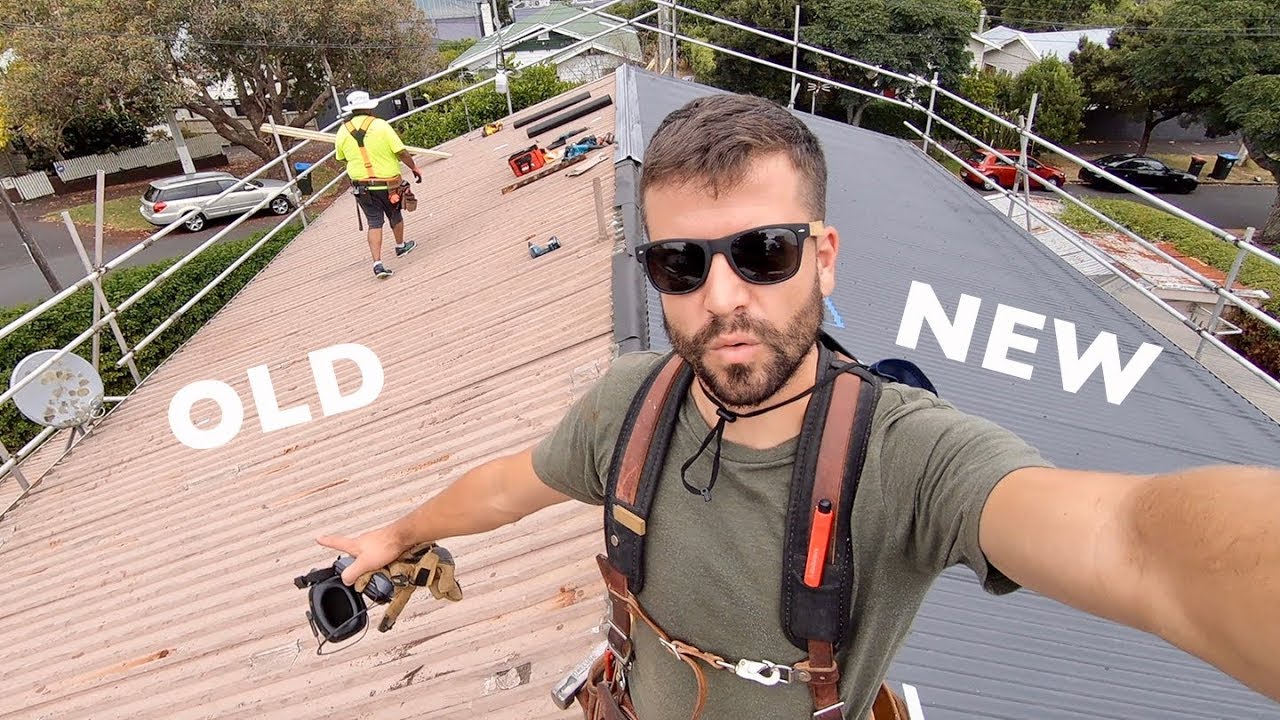
Avoid Walking on the Roof
Terracotta tiles can crack under concentrated weight. If access is necessary, use proper roof ladders or walkways, and step on the correct part of the tile.

Repair, Restore or Replace?
Whether to repair or replace depends on the condition of the tiles and the underlying structure. If most of the tiles are sound, restoration is often the more cost-effective approach. This may include:
- Rebedding and repointing ridges and hips
- Replacing broken or porous tiles
- Replacing flashings and valley irons
- Replacing sarking or adding anticondensation blanket
- Cleaning and applying a suitable sealer or coating if recommended
Full re-roofing is typically considered when battens are rotting, many tiles are porous or cracked, or the structure needs significant repair. In many cases, the existing terracotta tiles can be lifted, the underlying components renewed, and the same tiles relaid, which reduces waste and preserves the character of the home.
Safety Considerations for Older Roofs
If your home was built before the mid-1980s, some roofing and building materials may contain asbestos, such as in eaves, flashing compounds or underlying sheeting. In Western Australia, asbestos must be handled according to state regulations, and suspect materials should be assessed by a licensed professional before they are disturbed. This is particularly relevant when carrying out repairs or restoration on older properties in established suburbs such as Gosnells.
Cost and Value Considerations in 2026
Material and labour costs have shifted in recent years, and demand for skilled tradespeople in Perth remains strong. Because terracotta has such a long service life, restoring an existing roof often provides excellent value compared with replacement. Well-maintained tiles also contribute to resale appeal, particularly in suburbs with traditional tiled homes.
Always request multiple written quotes, confirm the contractor holds the appropriate licences and insurance, and ask for details on materials, warranties and the scope of work. Looking ahead to 2027 and beyond, ongoing attention to energy efficiency may also lead more homeowners to combine roof restoration with insulation upgrades or solar installations. If you plan to add solar panels, make sure the installer is experienced with tiled roofs so tiles are not cracked and fittings are properly flashed.
Terracotta vs Concrete Tiles in Perth
Concrete tiles are also common in Western Australia. They are generally more affordable and have a typical lifespan of 30 to 50 years, though many last longer. Terracotta usually has a longer life expectancy, holds its colour better, and tends to be lighter in weight for a similar profile. Concrete tiles can lose surface colour over time and may need recoating, whereas terracotta's colour is part of the fired material or glaze.
Key Takeaways for Gosnells Homeowners
Terracotta roof tiles are among the longest-lasting roofing materials available in Western Australia. With sound installation and sensible maintenance, the tiles can serve a home for well over half a century. The parts that usually need attention sooner are the ridge bedding, pointing, flashings, sarking and battens. By arranging regular inspections, keeping the roof clean and clear of debris, and fixing small issues promptly, you can protect your home and get the most from your roof.
If you are unsure about the condition of your roof, a professional inspection will give you a clear picture of what is needed now, what can wait, and how many more years you can expect from your terracotta tiles.
Gosnells Roof Restoration
WA, 6110
(08) 6109 9623